
How to Write a Resume in the Age of AI (2026 Updated)
In 2026, a resume is no longer reviewed the moment it is submitted. It is first scanned, sorted, and ranked by automated systems designed to decide whether it deserves human attention at all.
This shift has changed how resumes are evaluated, but not why they exist. A resume still has one purpose: to clearly communicate who you are as a professional and why you are relevant for a role. What has changed is the margin for confusion. If a resume is unclear, poorly structured, or vague, it is filtered out faster than ever.
The age of AI does not demand complex techniques or technical knowledge. It demands clarity, honesty, and intention. Professionals who understand this write resumes that work with modern systems instead of against them.
Write With Clarity as the Primary Goal
Clarity has become the most important quality of a strong resume. Automated systems are designed to identify meaning, not personality. When language is vague or overly creative, the system struggles to understand the role you actually perform.
A resume should state your profession, experience level, and area of work in direct language. Titles and summaries should explain what you do in simple terms rather than trying to impress. When your role is easy to understand, it becomes easier for both AI tools and recruiters to place you correctly.
Clear writing does not reduce your value. It increases your chances of being noticed.
Step 1: Align Your Resume With the Role You Are Applying For
In the age of AI, generic resumes perform poorly. Screening systems compare your resume against the job description to measure relevance. When your resume tries to appeal to everyone, it often fails to match anyone.
A strong resume is adjusted for the role it is submitted for. This does not mean rewriting everything from scratch. It means prioritizing the experience, responsibilities, and skills that are most relevant to the position.
By reorganizing content and adjusting emphasis, you signal focus and intent. This makes your profile easier to shortlist and easier to trust.
Step 2: Describe Your Work in Clear, Complete Sentences
Resumes today must explain work, not just list it. Automated tools and recruiters both look for context. They want to understand what you handled, how you approached it, and what the outcome was.
Each role should be described using full sentences that explain responsibility and contribution. Instead of broad statements, describe specific actions and results in plain language. Numbers can help, but they are not required for every point. What matters more is that the work is understandable and believable.
When your experience is clearly described, it feels real and reliable.
Step 3: Use a Structure That Systems Can Read Easily
Resume structure has a direct impact on visibility. AI systems rely on predictable formats to extract information accurately. When layouts are complex or decorative, important details can be missed.
A professional resume should follow a clean structure with clear sections such as summary, experience, skills, and education. Visual elements like icons, graphics, and columns may look appealing but often reduce readability for automated tools.
A simple layout allows the content to speak for itself and ensures nothing important is overlooked.
Step 4: Show Skills Through Real Work, Not Just Listings
Listing skills without context has little value in 2026. Automated tools increasingly look for alignment between your skills section and your experience section.
If a skill is important, it should appear naturally in how you describe your work. For example, leadership should be reflected through coordination, decision-making, or ownership in your role descriptions.
When skills are demonstrated rather than claimed, your resume feels credible and consistent.
Step 5: Use AI Tools Carefully, Not Blindly
AI tools can help structure and refine resumes, but they should not replace your thinking. Content generated without editing often sounds polished but lacks depth and individuality.
Review and refine any AI-assisted content so that it reflects your actual experience and natural tone. A resume should sound like a professional explaining their own journey, not like a generic template.
Human judgment remains essential, even in automated hiring systems.
Step 6: Make Your Career Direction Clear
Modern resumes are evaluated not only on past experience but also on future alignment. Recruiters want to understand what kind of role you are prepared for next.
Your summary and experience should naturally point toward your next step without explicitly stating it. A clear direction makes your resume feel intentional and focused.
When direction is missing, even strong experience can feel scattered.
Step 7: Keep Information Honest and Consistent
Accuracy matters more than ever. Automated checks and human reviews both look for consistency in titles, timelines, and responsibilities.
Overstating roles or exaggerating scope can create doubt and slow down your progress. A clean, honest resume moves faster because it builds confidence.
Trust is a silent advantage in hiring systems.
Top Rated Resumes on Resumod.co (2026)
Resume of Associate - Talent Operations
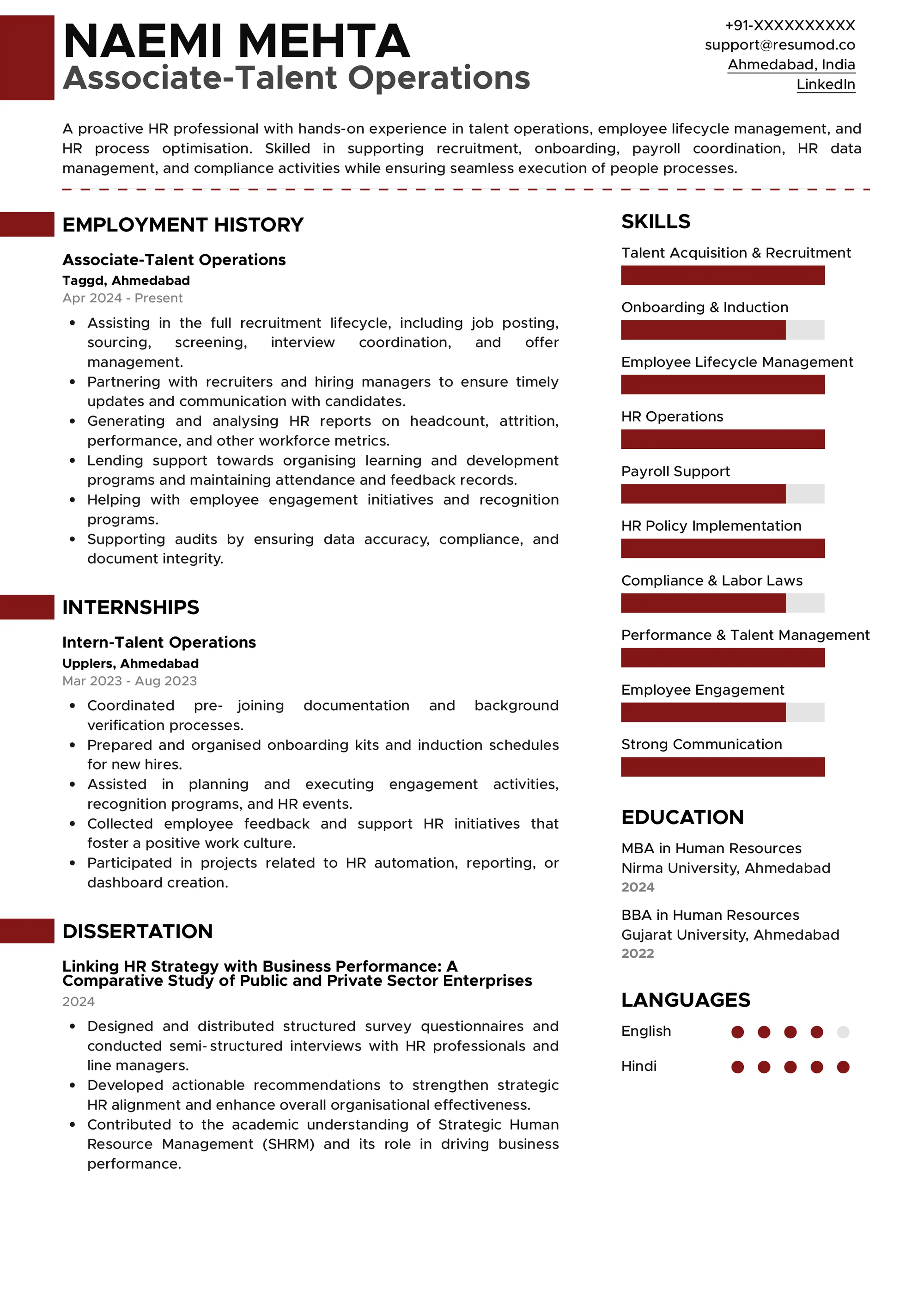
Check the full resume of associate - talent operations in text format here.
Resume of Coversational AI Product Manager
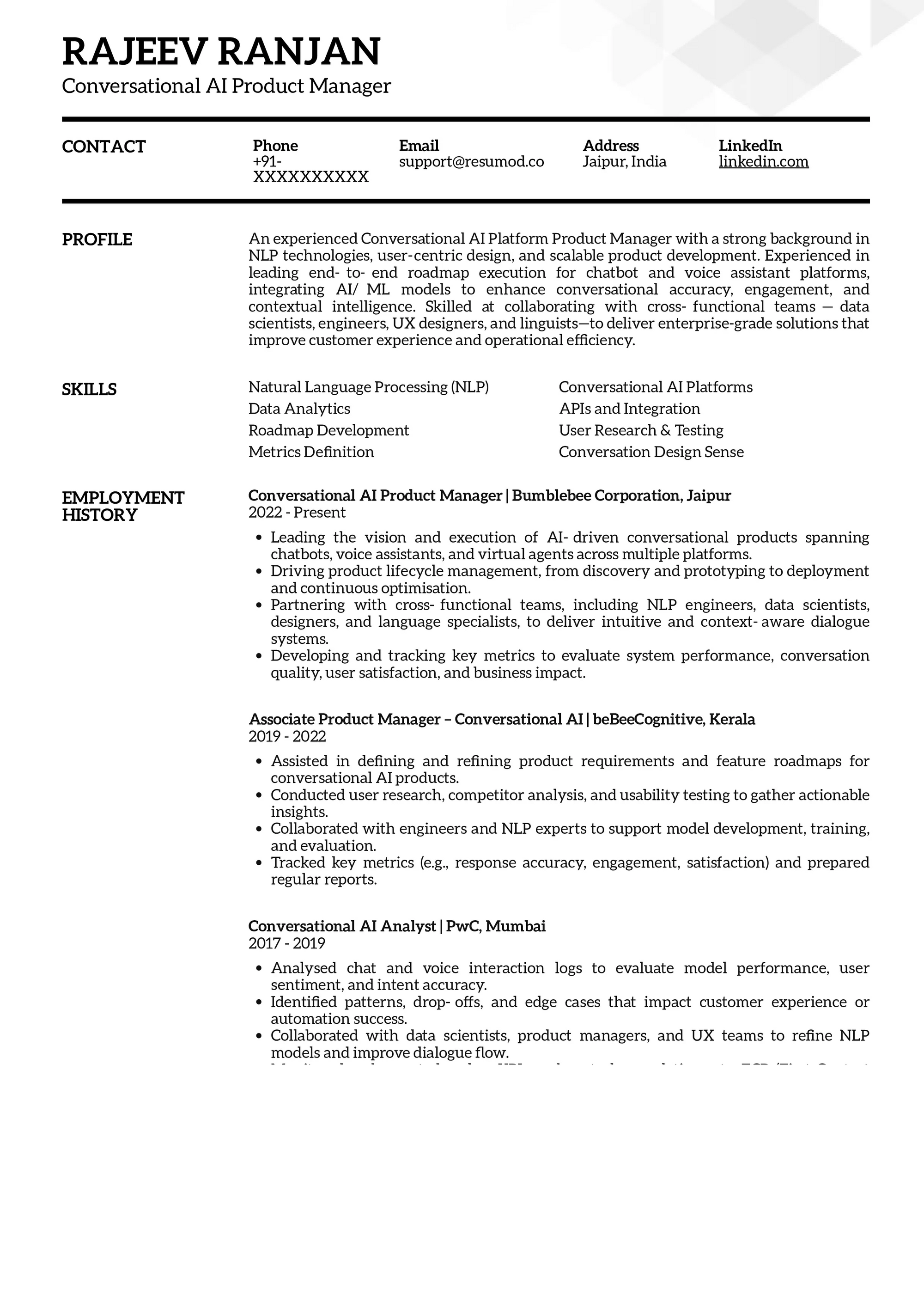
Check the full resume of the CoverSational AI Product Manager in text format here.
Resume of a SQL Developer
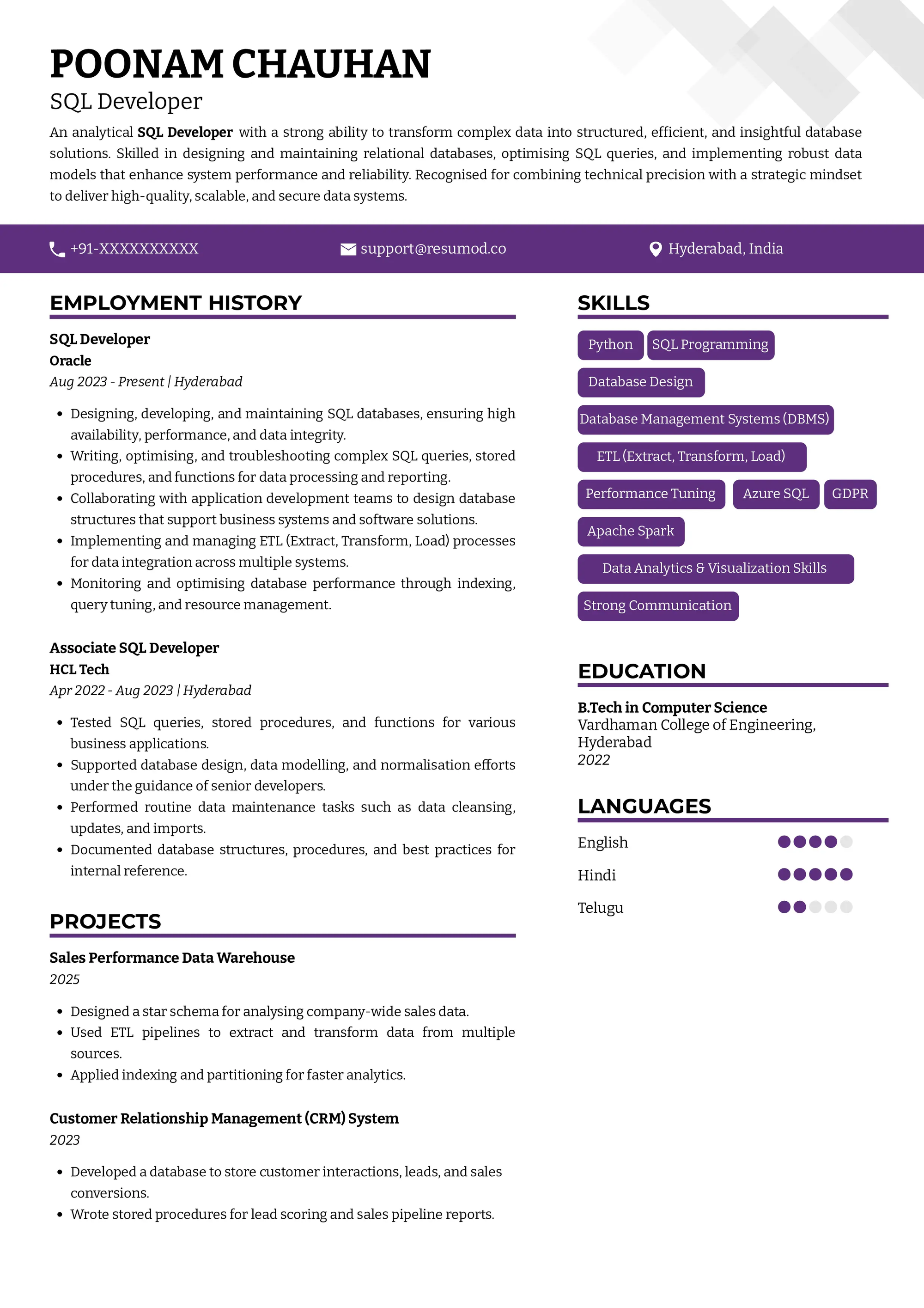
Check the full resume of SQL developer in text format here
Resume of Digital Marketing Specialist
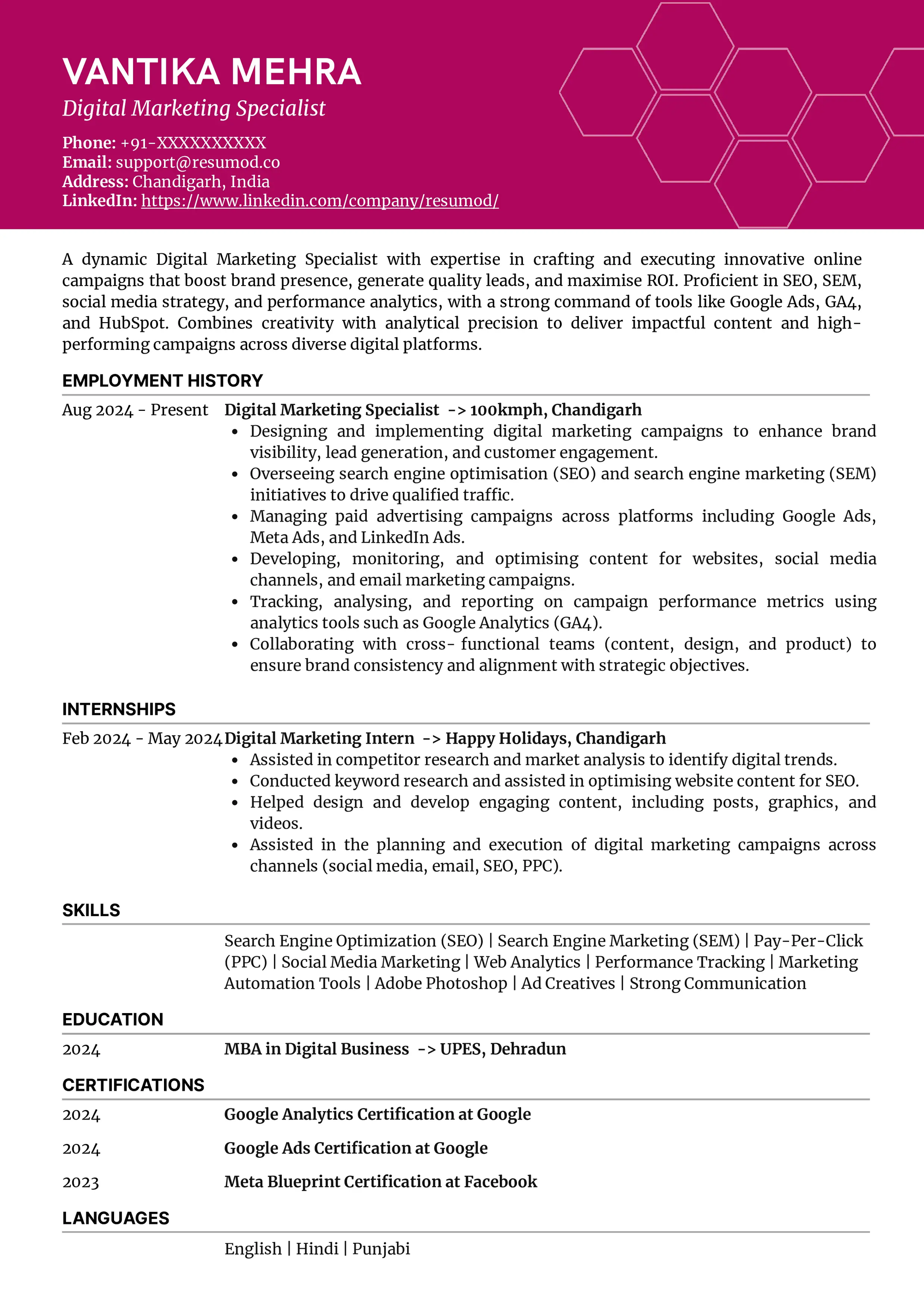
Check the full resume of digital marketing specialist in text format here.
Resume of Semiconductor Engineer
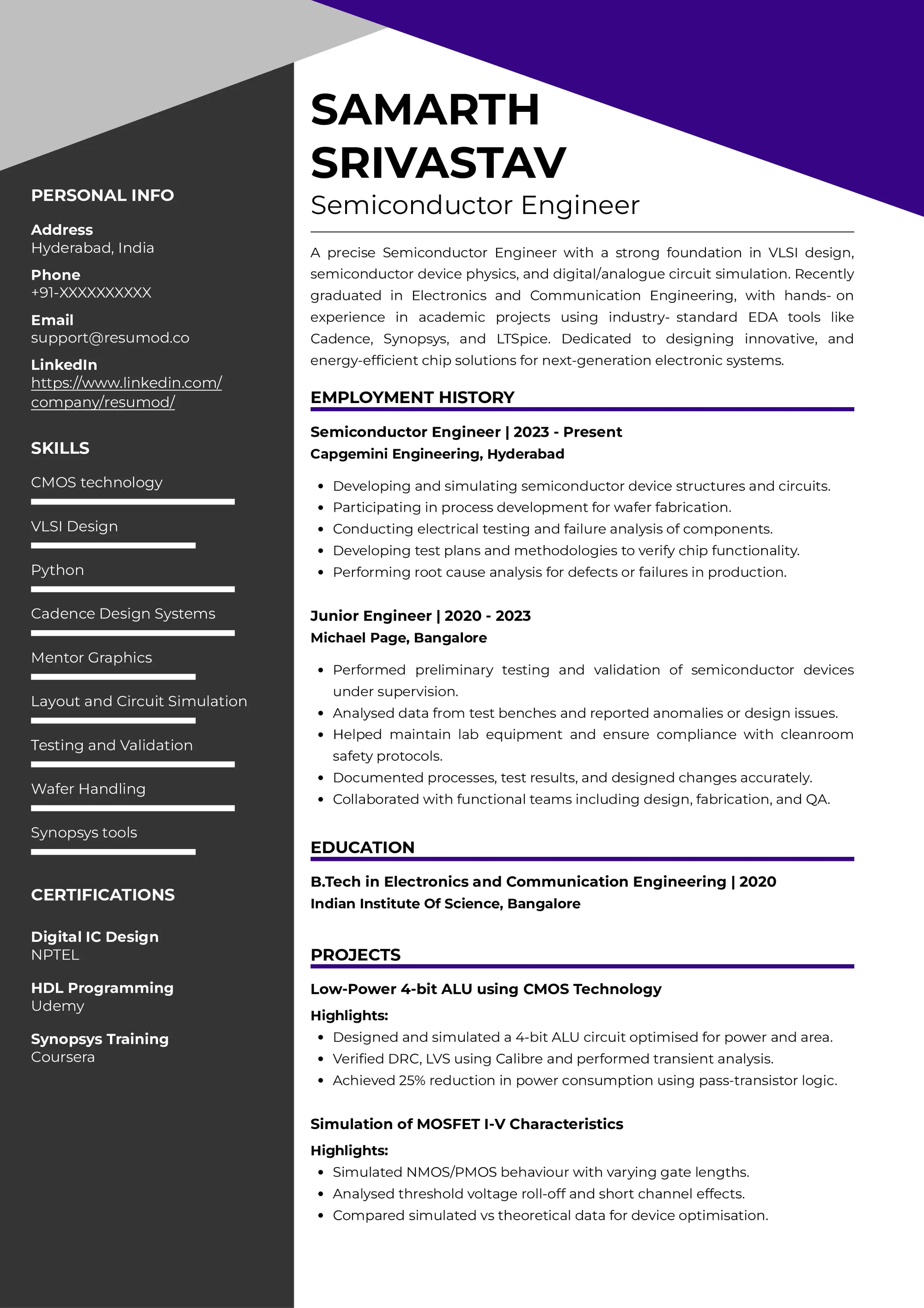
Check the full resume of semiconductor engineer in text format here
Resume of Governance, Risk and Complainace
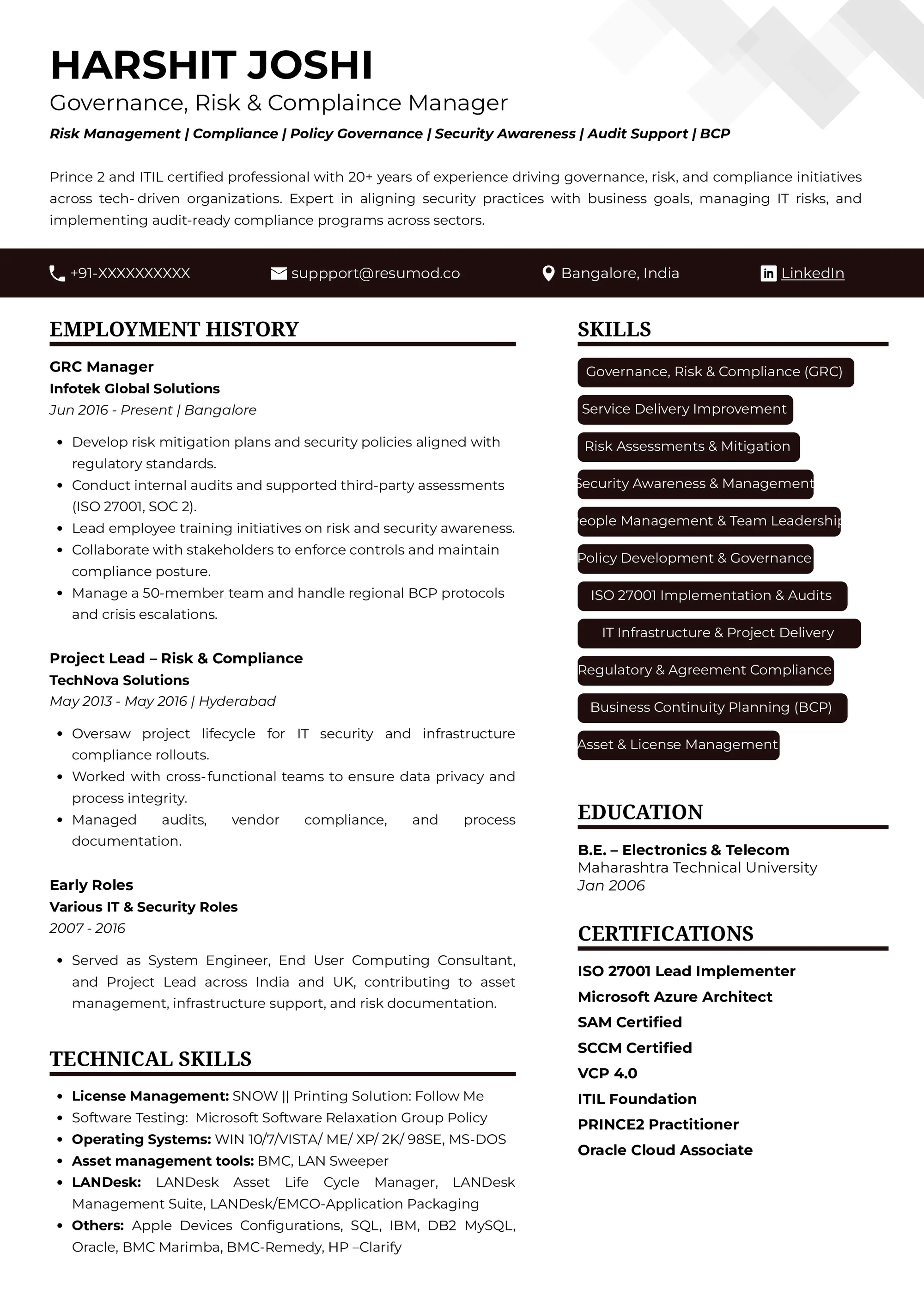
Check the full resume of governance, risk and complainace manager in text format here
Resume of CEO - Healthcare
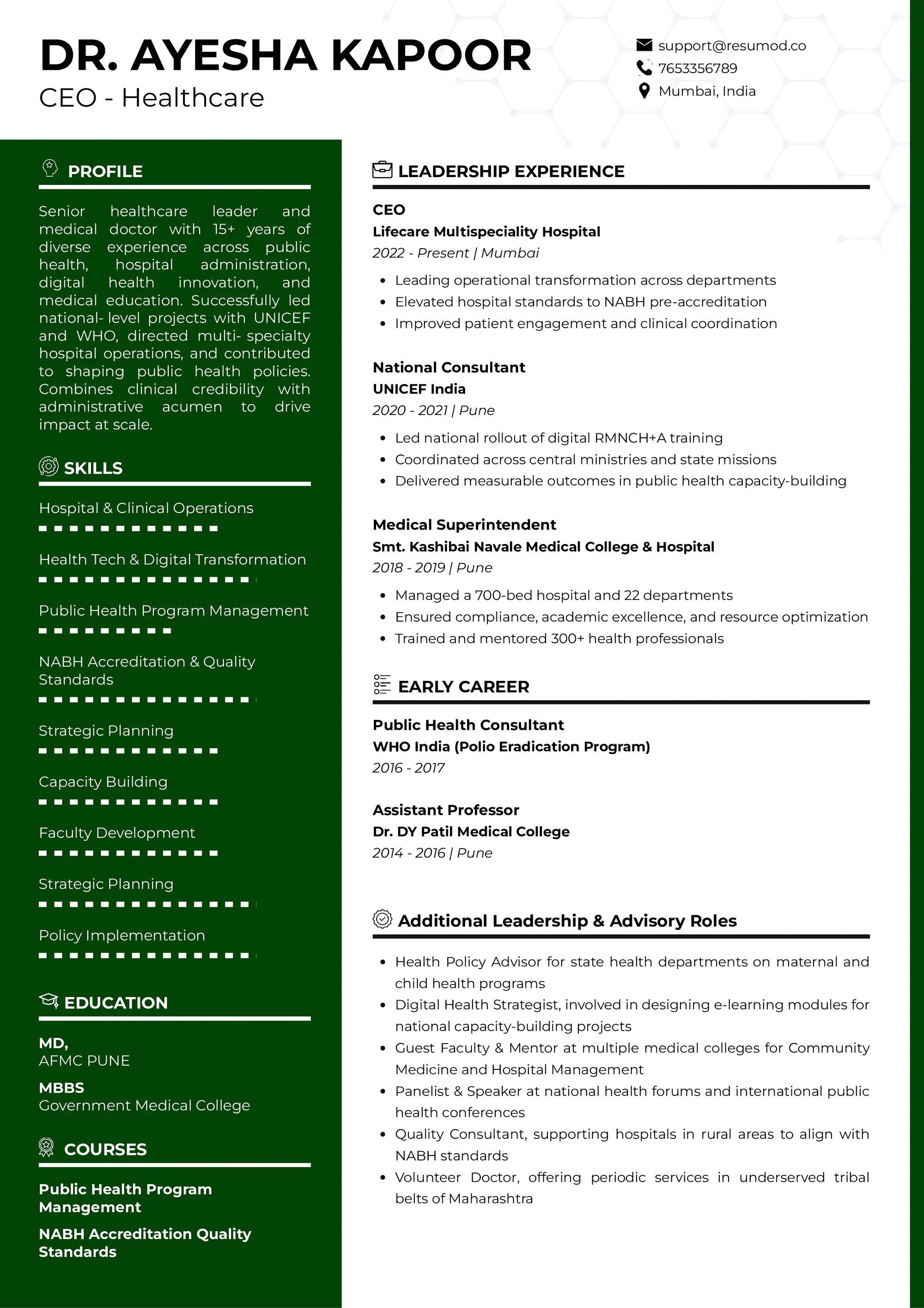
Check the full resume of CEO - Healthacre in text format here
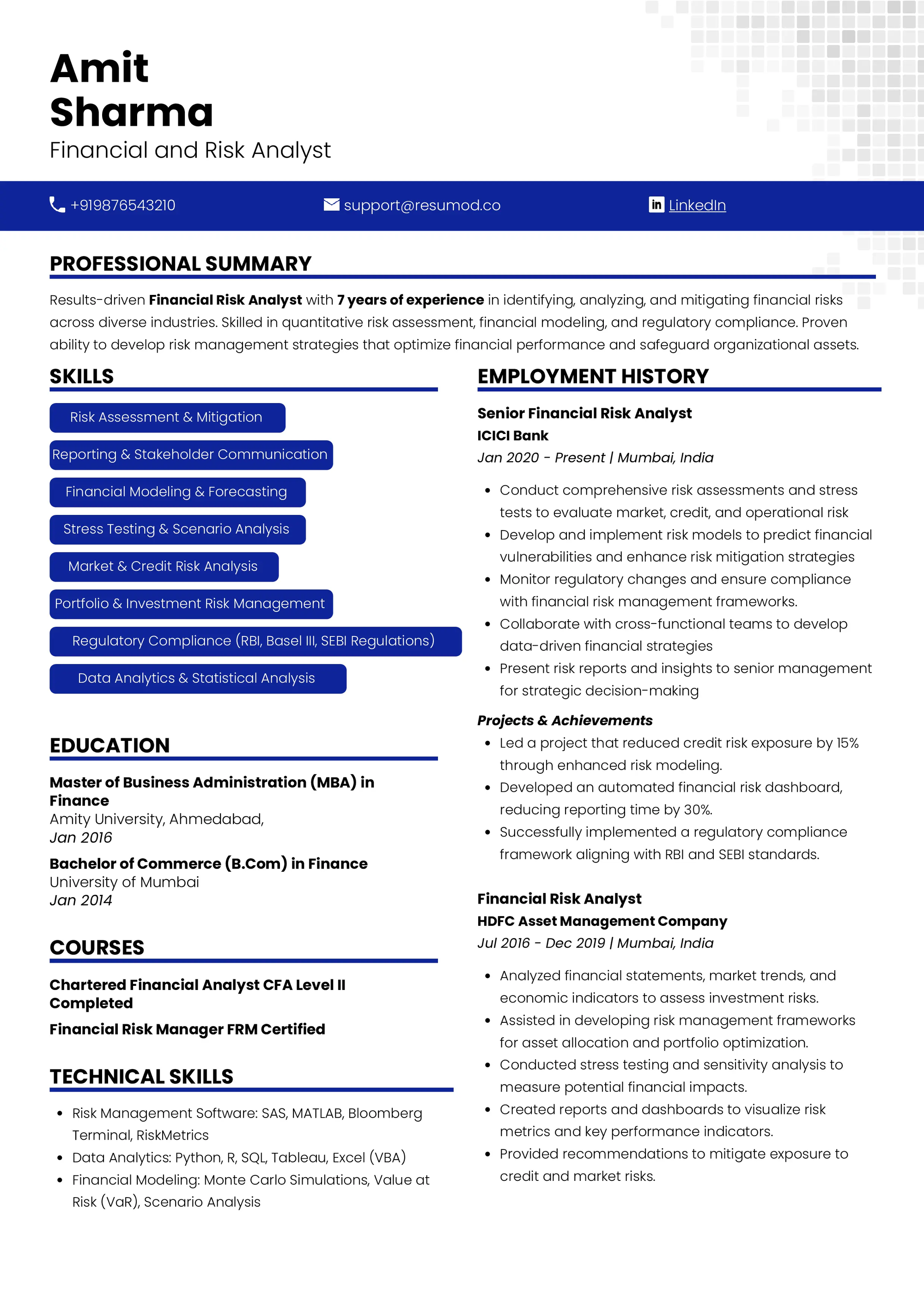
Resume of Finance and Risk Analyst
Simplicity Is the New Advantage
The biggest misconception about writing a resume in the age of AI is that it requires complexity. In reality, it rewards simplicity.
A strong resume in 2026 is clear, focused, structured, and human. It respects the way systems work while still speaking directly to people.
When your resume explains who you are, what you do, and where you are headed in a way that is easy to understand, it does exactly what it is meant to do.
That is what makes a resume future-ready.